|
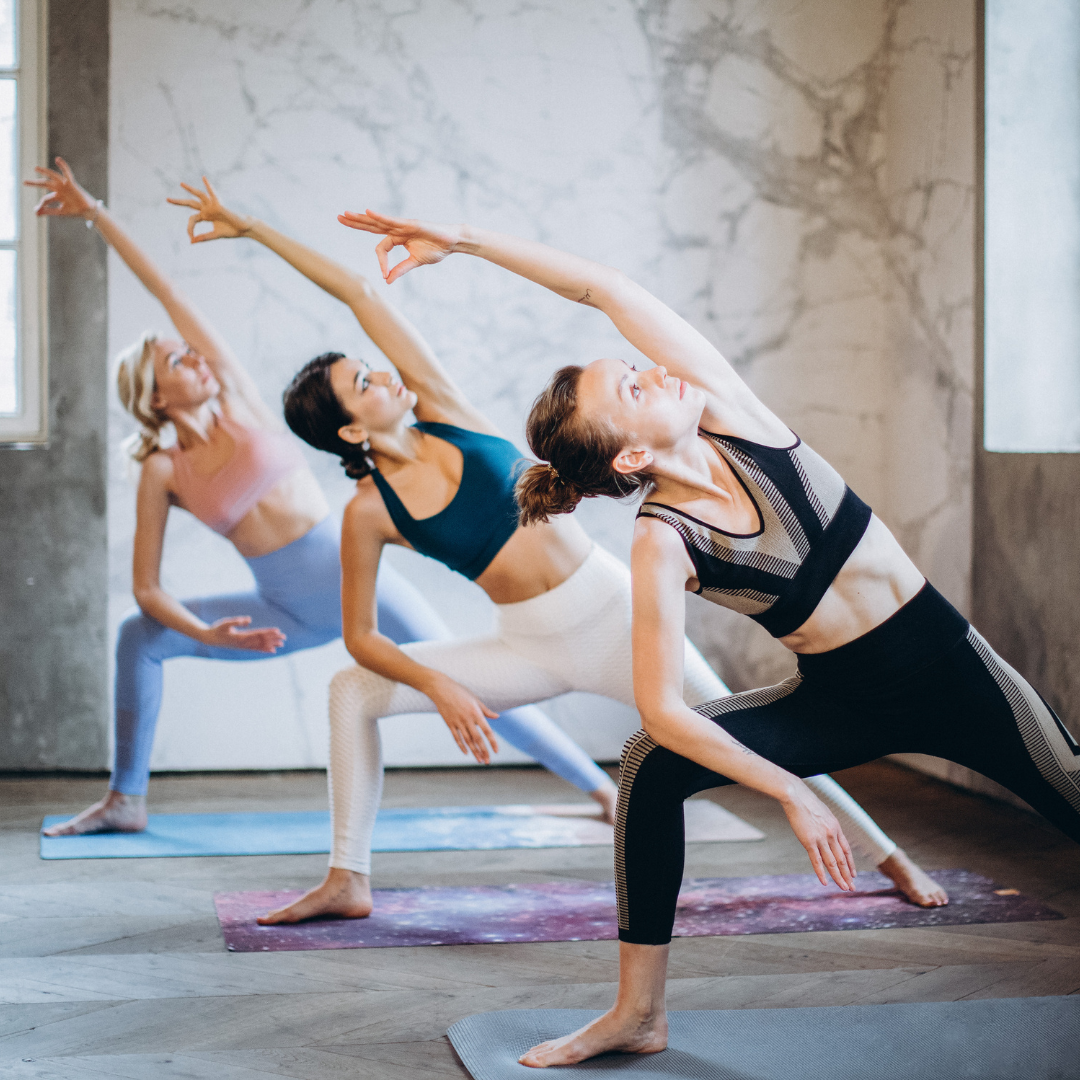
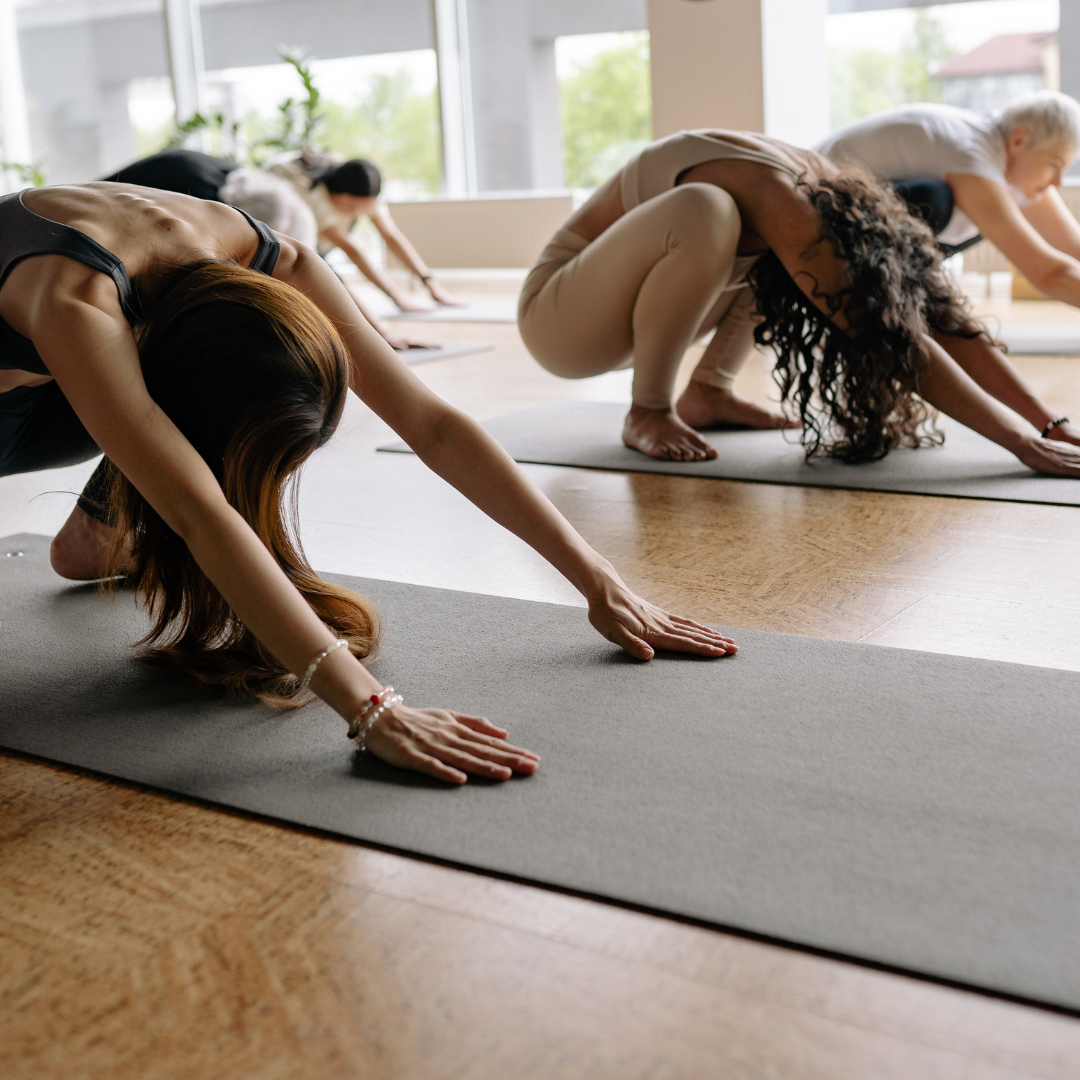
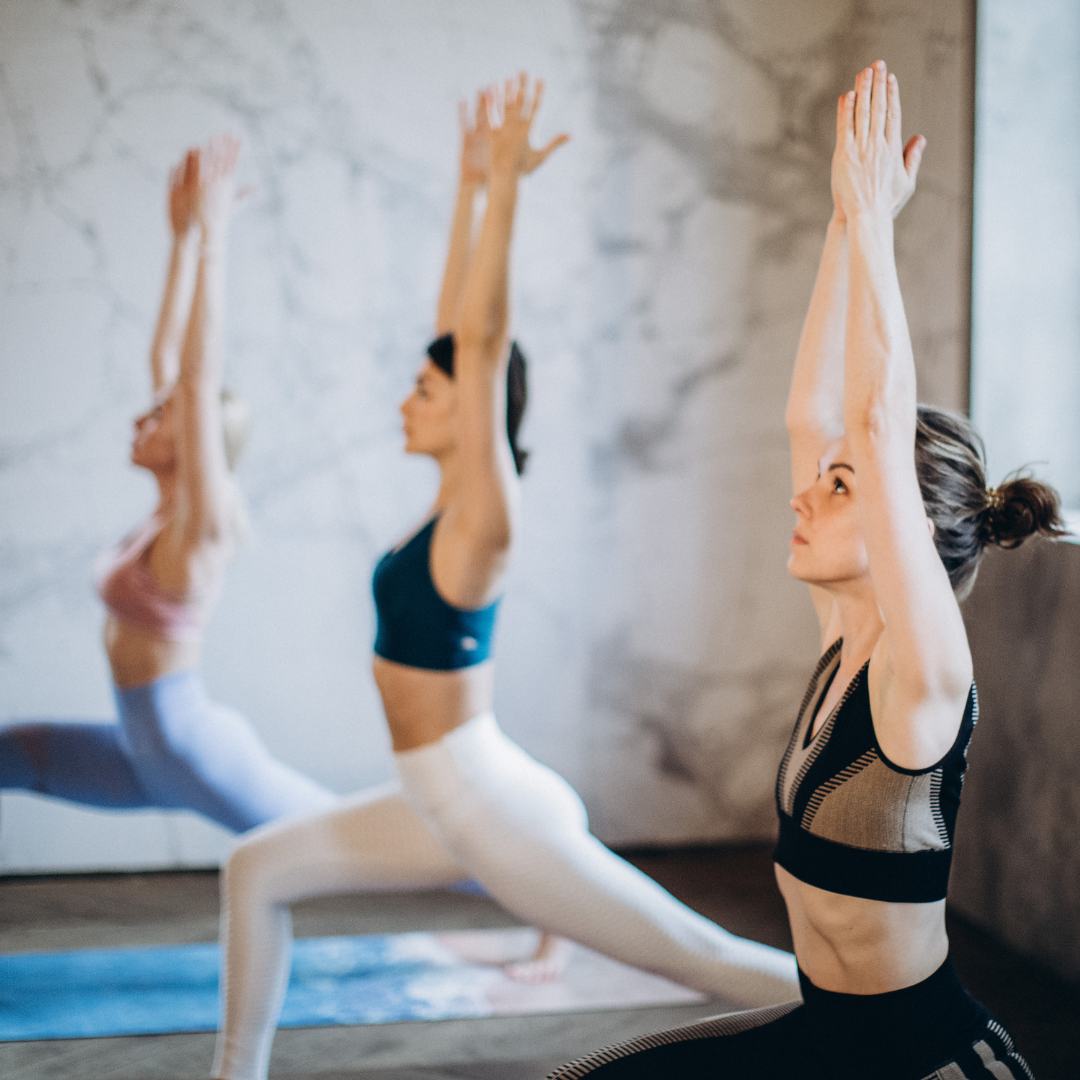
Gyrokinesis Palo Alto is becoming a smart option for busy professionals who spend long hours sitting, driving, typing, and wondering why their back feels older than the rest of their body. Many people do not need another hard workout. They need a movement practice that helps the spine breathe again. Please note: This collaborative article does not contain healthcare, therapeutic or financial advice. If you are concerned about your health or well-being, speak with a health professional or visit your nearest medical facility in an emergency. The links in this article may be affiliate links that I will be compensated for at no additional cost to you. Why Your Back Feels Stiff After a Normal Workday A stiff back usually does not happen all at once. It builds slowly. You answer emails. You lean toward your laptop. You sit through meetings. You drive home in traffic. By the end of the day, your shoulders feel tight, your hips feel locked, and your lower back feels compressed. This is where Gyrokinesis can feel different from a regular stretch class. Instead of forcing your body into fixed poses, it uses flowing movements, breath, rhythm, and gentle spinal motion. The goal is to help your body move the way it was designed to move through gyrokinesis palo alto. What Makes Gyrokinesis Different Gyrokinesis is a movement method that blends circular motion, breathwork, spinal mobility, and mindful control. Most exercises move the body in straight lines. Gyrokinesis uses spirals, waves, arches, curls, and rotations. That matters because real life is not linear. You twist to grab a bag from the back seat. You bend to tie your shoes. You reach across your desk for your phone. Your spine needs more than forward and backward motion. It needs smooth, supported movement in many directions. A Real-Life Example From a Desk-Heavy Routine Think about a professional who works near Palo Alto and spends eight hours at a computer. By lunchtime, their neck feels tight. By 4 p.m., their lower back feels stiff. By evening, they are too tired for an intense gym session. A gentle Gyrokinesis class can meet that person where they are. The class may begin seated on a stool. The movement starts small. The breath gets deeper. The spine begins to round, arch, twist, and lengthen. After a few minutes, the body often feels warmer and less guarded. That is the power of movement that works with the nervous system instead of fighting it. Why Busy Professionals Like This Practice Busy professionals often want fitness that gives them energy, not another thing that drains them. Gyrokinesis can support posture, flexibility, body awareness, and joint mobility without feeling harsh. It can be especially helpful for people who feel stiff from desk work but do not enjoy traditional stretching. The movements are active, but not aggressive. They are focused, but not rigid. They help you notice where your body is holding tension. That awareness can change how you sit, stand, walk, and work. How It Helps the Spine Feel More Mobile Your spine is made to move. When you sit for long periods, parts of the spine stop moving well. Other areas overwork to compensate. That can lead to tight hips, rounded shoulders, shallow breathing, and back discomfort. Gyrokinesis uses repeated spinal patterns to restore motion. A class may include arching, curling, side bending, twisting, and circular movements. These patterns can help the back feel less stuck. They can also help you reconnect your breath with your movement. When breathing improves, tension often decreases. What to Expect in a Class A Gyrokinesis session usually feels calm, focused, and active. You may start seated. You may move to standing exercises. You may finish with floor work. The teacher may guide you through waves, spirals, bends, and rhythmic breathing. You do not need to be flexible before starting. You do not need dance experience. You do not need to understand every movement right away. The practice builds through repetition. The more you attend, the more natural the movement feels. Why Breath Matters So Much Breath is not just a side detail in this method. It is part of the exercise. Many desk workers breathe shallowly without noticing it. Stress, deadlines, and screen time can keep the body in a guarded state. Gyrokinesis encourages fuller breathing with movement. This can make the body feel more open and less tense. It can also help you slow down mentally. For someone moving from meeting to meeting, that pause can feel like a reset. A Better Option Than Forcing a Stretch Many people try to fix back stiffness by pulling harder on tight muscles. That does not always work. Sometimes the body tightens more when it feels forced. Gyrokinesis takes a different path. It uses gentle repetition and flow. Instead of holding one intense stretch, you move through a range of motion again and again. That can help the body trust the movement. Over time, mobility may improve without the feeling of strain. Who May Benefit From Gyrokinesis in Palo Alto This practice can be a strong fit for software workers, founders, teachers, healthcare professionals, students, and anyone who sits for long hours. It may also appeal to people who want a mindful movement class but do not want something too slow. It can support people who enjoy Pilates, yoga, dance-based fitness, or low-impact exercise. It is also useful for those who feel disconnected from their posture. If you often catch yourself hunched over your phone, this practice may help you build better body awareness. How It Fits Into a Busy Week You do not need to change your whole schedule. One class a week can help you start noticing your movement habits. Two classes a week may help you build better rhythm and control. Short practice sessions at home can also support the work you do in class. The key is consistency. A stiff back usually comes from repeated habits. It often improves through repeated better movement. Simple Signs This Practice May Be Right for You Your back feels tight after sitting. Your hips feel stiff when you stand up. Your shoulders creep toward your ears during work. You feel like stretching helps for only a few minutes. You want a low-impact movement practice that still feels engaging. You want to improve posture without doing boring drills. These are common reasons people explore Gyrokinesis classes. Final Thoughts Gyrokinesis Palo Alto offers a practical way for busy professionals to move better, breathe deeper, and feel less locked into desk posture. It is not about chasing extreme flexibility. It is about giving the spine, joints, and breath more freedom. For anyone with a stiff back and a packed schedule, that can make a real difference. Related: Muscle Strain 101: What Happened and What to Do Next The links in this article may be affiliate links that I will be compensated for at no additional cost to you.
An experiment that shows a null result may or may not support the hypothesis it's testing. Without rigorous control of the variables of the experiment, there's no way to know for sure. A gradual shift of focus in the chemical literature, from the detailing of how a compound was synthesized in a particular case to discussions of the methods used to make the materials, has been pushing the community to recognize the importance of synthesis preparation as a separate area of research. A reaction, sadly, is never as simple as the sum of what the starting materials will do - there are a thousand micro-decisions made by the human preparer at the bench that feed subtly back into the chemical product they produce. Please note: This collaborative article does not contain healthcare, therapeutic or financial advice. If you are concerned about your health or well-being, speak with a health professional or visit your nearest medical facility in an emergency. The links in this article may be affiliate links that I will be compensated for at no additional cost to you. Small Cohorts Don't Forgive Errors Large-scale trials benefit from having enough subjects to mitigate the impact of a malfunctioning reconstitution vial or contaminated solvent. Small studies don't have that luxury. With so few subjects, a single vial gone wrong can produce false negatives. Preparing compounds for in vivo use should be a sterile, airtight process. False negatives are the product of contaminated reagents. One reconstituted vial, ampule, or syringe contaminated with bacteria or fungi can ruin the whole study. This is why many researchers put a complete quarantine on the compound until the final sterile filtration before use. The statistical consequences compound the problem further. In a trial with thirty or more subjects, a single contaminated vial is an outlier the data can absorb. In a cohort of six or eight, that same vial represents a meaningful fraction of your dataset - enough to shift a p-value, flatten a dose-response curve, or obscure a signal that was genuinely there. The researcher who dismisses a null result as a failure of the compound, rather than a failure of the preparation, may abandon a promising line of inquiry entirely. Small-cohort work demands a higher standard of preparation discipline than large trials, not a lower one, precisely because there is no statistical buffer to catch the mistakes. Reconstitution Is Where Most Errors Happen Freeze-dried preparations may be a hassle in the moment but create fewer complexities down the line - they eliminate the need for caution in long-term storage and during transport, and they remove the uncertainty of bacterial blooms in the reconstituted solution. When the solubility of your compound permits it, pursuing lyophilized versions of your test substances is the simpler and less stressful path. For multi-dose vials, Bacteriostatic water has become the standard precisely because it contains a preservative agent - typically benzyl alcohol at 0.9% - that suppresses microbial growth for up to 28 days. That window matters for small-scale work where a single vial may be accessed multiple times across a study period. Using sterile water without a bacteriostatic agent for multi-dose applications is a common and preventable error that opens the door to pyrogen contamination, which will compromise both subject safety and data integrity. Beyond sterility, the solubility profile of a compound determines what diluent should be used and at what concentration. Using the wrong solvent, or using the right solvent at the wrong ratio, can cause precipitation or incomplete dissolution - both of which directly affect bioavailability and, therefore, pharmacokinetic measurements. If you're trying to establish how a compound moves through the body, you need to know that what was administered was what you intended to administer. pH And Purity Aren't Optional Considerations Biological samples present a meaningfully different set of preparation challenges compared with the small molecules discussed elsewhere in this piece. Co-purifying metabolic enzymes with divergent optimal conditions are a routine complication, and the risk of inappropriate probe compound metabolism is ever-present. Preparative HPLC purification of biological matrices is a demanding, resource-intensive process - this is simply the nature of the work. Purification standards for biological samples must be rigorous. Residual contaminants - proteins, lipids, and other matrix components carried over from the preparation materials - can co-elute with the compound of interest and produce artefactual signals in mass spectrometry or bioassays. These interferences are frequently misattributed or left unaddressed, in part because ambiguous results in complex biological systems are easy to dismiss as inherent variability rather than a preparation failure. That assumption is costly, and worth resisting. Traceability Is Your Safety Net All materials used in the preparation - every vial, every solvent, every consumable - must be batch-and-lot-recorded in the trial documentation. This is not a GMP box-ticking exercise. If an out-of-spec result turns up, or an unexpected adverse event - traceability is what permits you to go back and determine whether the cause was compound or preparation. Without that, you can't separate those two possibilities, and both safety assessment and scientific findings are compromised. SOPs for preparation must be written down, version-controlled, and used the same way each time in every prep. Aseptic technique must be used each time, not just when you feel like it. These are not external bureaucratic requirements. These are the ways in which your data become defensible. Only about 63% of drugs make it from Phase I to Phase II (Journal of Clinical Oncology), and technical errors cause a significant fraction of those failures. That means a lot of the work that you could have benefited from, didn't. Preparation As Research Infrastructure The preparation space, the items necessary, and the methods followed form the groundwork of an experiment. These aren't some abstract concept separated from the actual research; rather, they are the actual nuts and bolts of science itself. For independent researchers with small resources and a small number of study samples, ensuring this layer is solid isn't an option - it's a necessity, if the results are to be meaningful. The links in this article may be affiliate links that I will be compensated for at no additional cost to you.
A gym in Silver Lake can feel intimidating at first, especially if you’ve never stepped into a structured fitness space before.
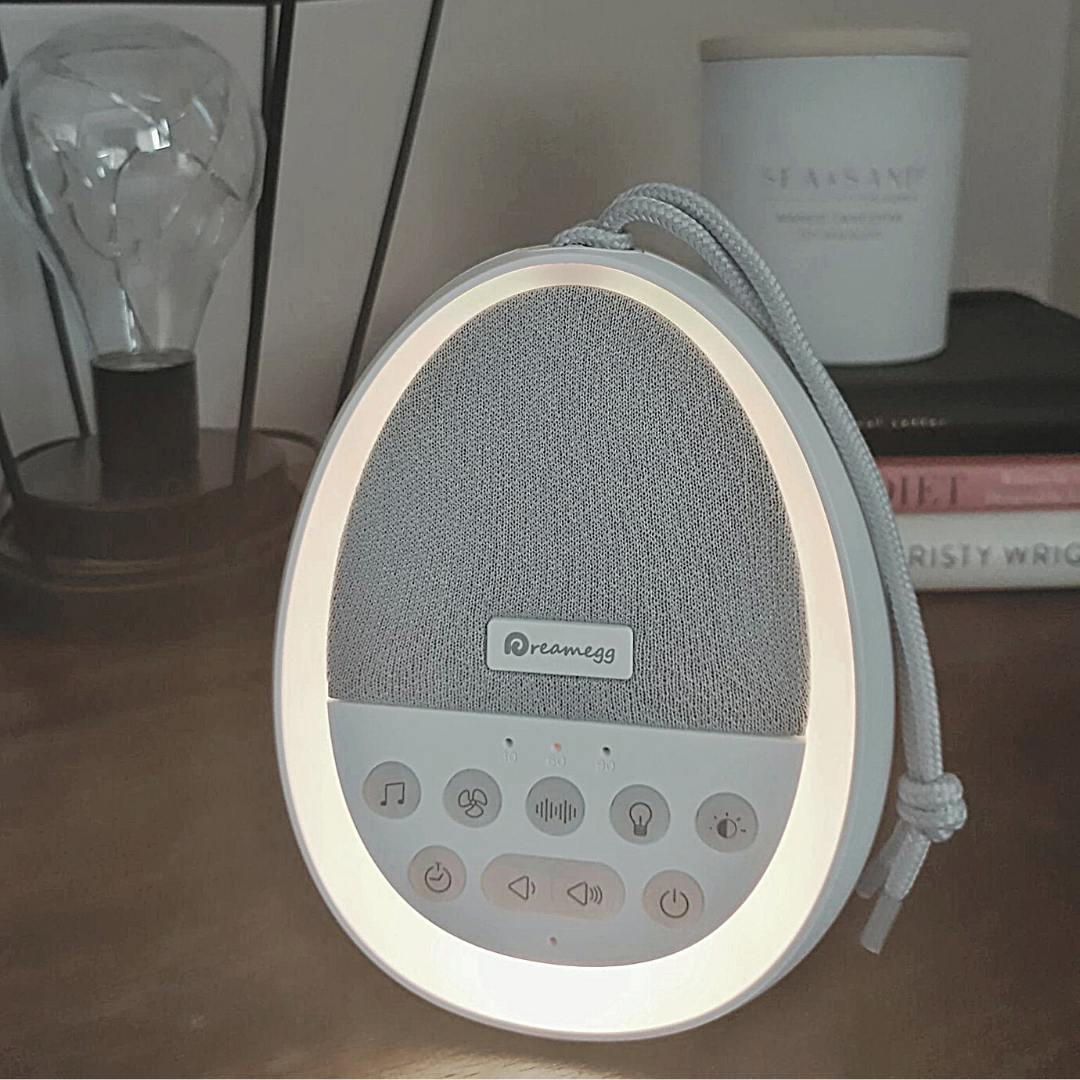
A natural sleep aid device is changing the way people deal with restless nights and constant mental noise.
pilates Pacific Palisades quickly became my go-to solution when long workdays started wrecking my posture and energy levels.
Most advice that dentists give is about technique. The 45-degree angle. The two-minute timer. The correct flossing motion. None of that is wrong, but it misses the more important point: none of it matters if you don't do it every day.
Stress impacts the body in ways that go beyond feelings of being overwhelmed. Biological responses to stress contribute to tissue damage, hinder the immune system, and increase the aging process in various physiological systems. Knowing how stress affects the body physically is essential to realizing the importance of stress management.
Most people assume natural health products will work immediately. They jump from synthetic options to plant-based and complain after a week with no fireworks. But the reality? Your body isn't broken and they're not necessarily not working. That's just not how natural health operates, at least not at first.
|
Welcome to the blog!↓ That's me, Heather. :)

Categories
All
Popular Posts// 25 Positive Mindset Quotes
// Self-Care Bullet Journal Spreads // 7 Ways Your Physical Health is Connected to Your Mental Health |
RSS Feed